- Regular priceFrom£27.04Unit price /This size option is not possible for this product.
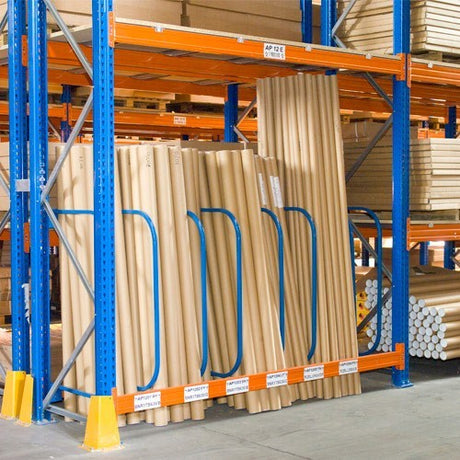
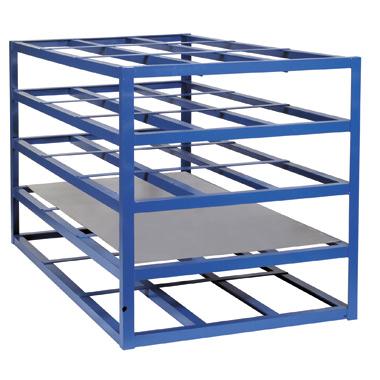
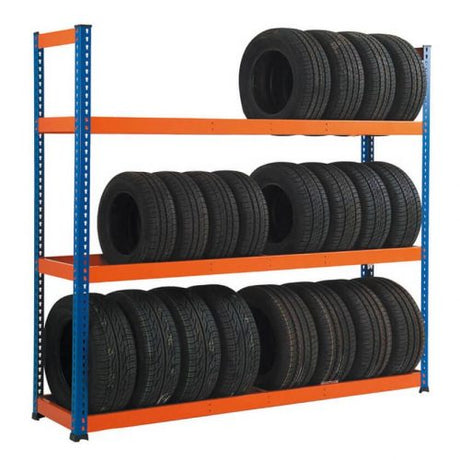
Heavy Duty Tyre Racking 1525-2440mm Wide
Regular priceFrom£191.10Unit price /This size option is not possible for this product.- Regular price£26.20Unit price /This size option is not possible for this product.
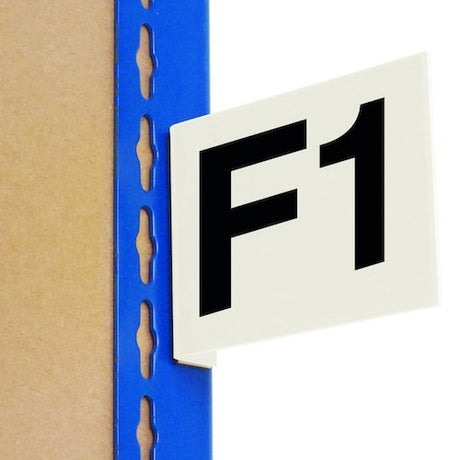
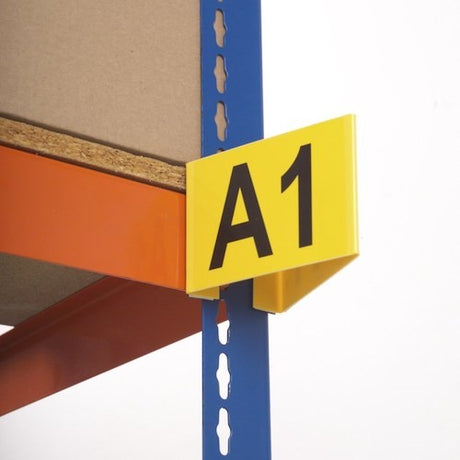
Magnetic/Self-Adhesive Aisle Markers
Regular priceFrom£10.19Unit price /This size option is not possible for this product.- Regular priceFrom£68.20Unit price /This size option is not possible for this product.
- Regular priceFrom£10.50Unit price /This size option is not possible for this product.
- Regular priceFrom£35.28Unit price /This size option is not possible for this product.
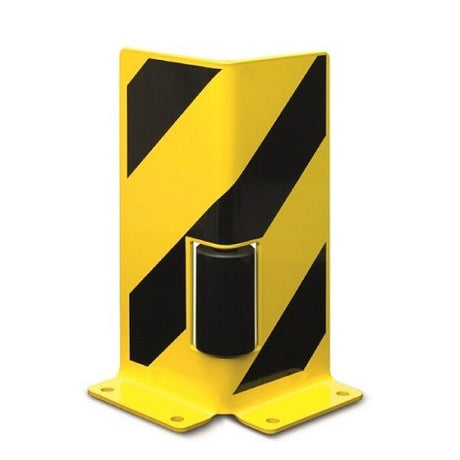
Pallet Racking Corner Protector
Regular price£60.90Unit price /This size option is not possible for this product.- Regular priceFrom£35.28Unit price /This size option is not possible for this product.
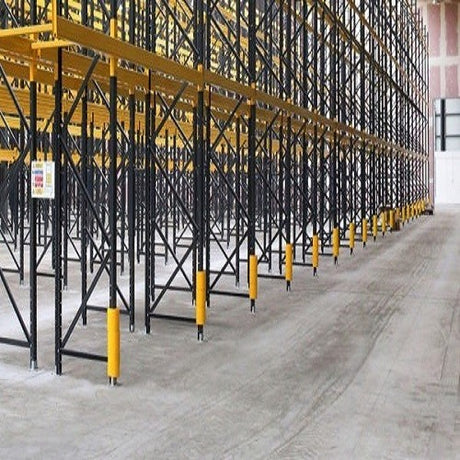
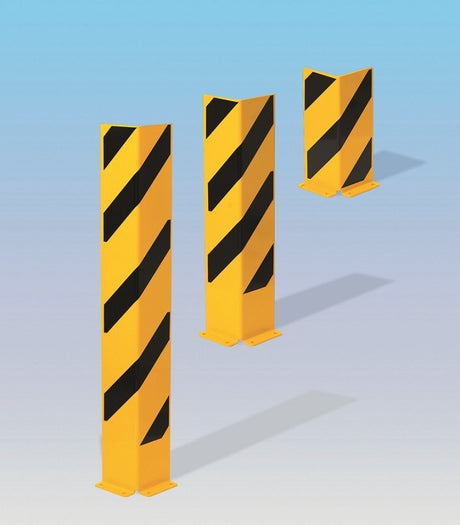
Heavy Duty Pallet Racking Protectors
Regular priceFrom£49.67Unit price /This size option is not possible for this product.- Regular price£533.66Unit price /This size option is not possible for this product.
- Regular priceFrom£1,831.41Unit price /This size option is not possible for this product.
- Regular price£292.95Unit price /This size option is not possible for this product.
- Regular priceFrom£61.95Unit price /This size option is not possible for this product.
- Regular priceFrom£35.28Unit price /This size option is not possible for this product.
- Regular priceFrom£9.87Unit price /This size option is not possible for this product.
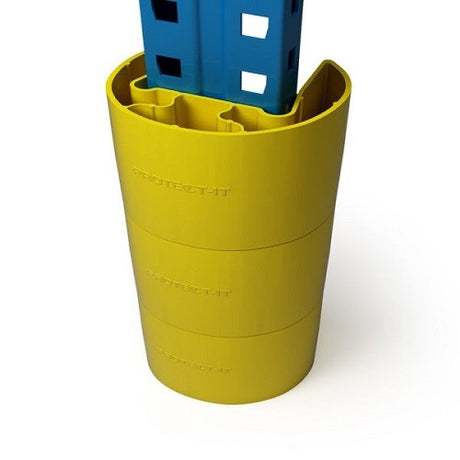
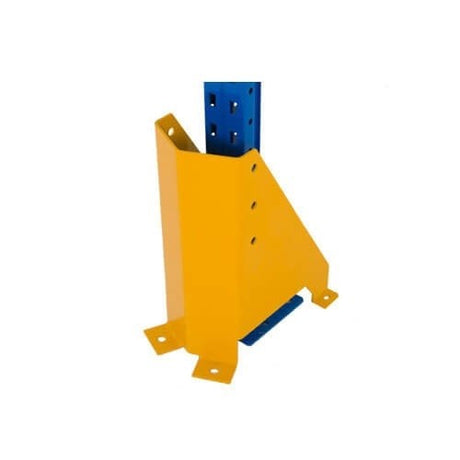
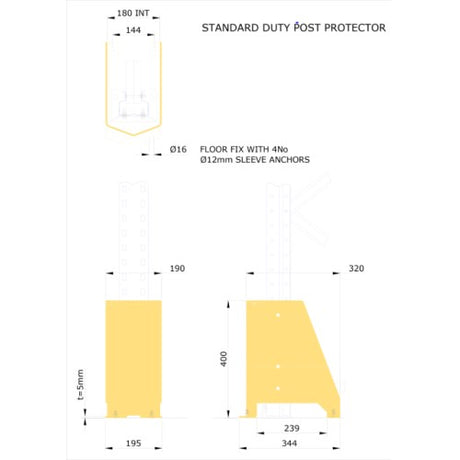
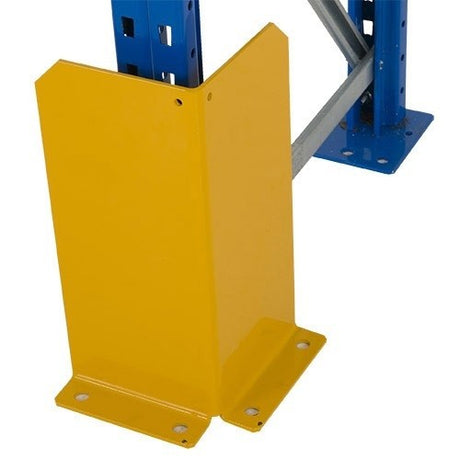
Standard Duty Pallet Racking Post Protector
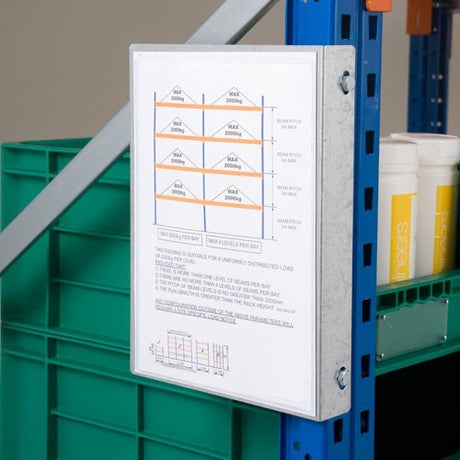
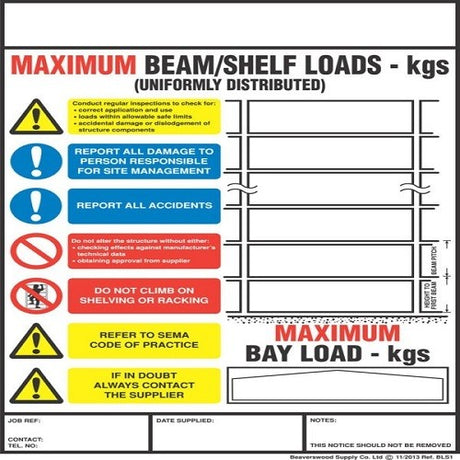
Regular price£47.25Unit price /This size option is not possible for this product.Pallet Racking Weight Load Notice
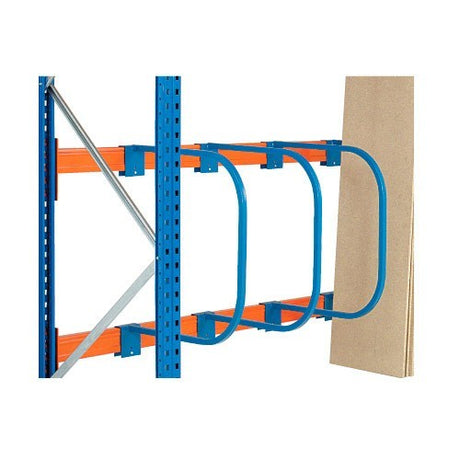
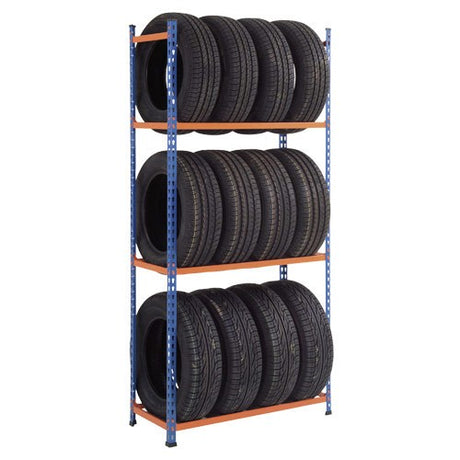
Regular price£17.01Unit price /This size option is not possible for this product.Mobile Tyre Rack with 3 levels
Regular price£171.05Unit price /This size option is not possible for this product.- Regular priceFrom£80.85Unit price /This size option is not possible for this product.

Adjustable Pallet Racking (APR) — Frequently Asked Questions
1. What are the main types of pallet racking?
The main types of pallet racking include adjustable pallet racking, double-deep racking, drive-in racking, drive-through racking, push-back racking, pallet-flow racking, narrow-aisle racking, mobile racking, cantilever racking, shuttle systems and automated storage systems.
Adjustable pallet racking is the most common option because every pallet is directly accessible. High-density systems such as drive-in, push-back, pallet-flow and mobile racking store more pallets in less space, but reduce direct access. Specialist systems such as cantilever, shuttle and automated racking solve specific storage or handling problems.
2. How do I choose the right pallet racking for my warehouse?
Choose pallet racking based on your pallet size, load weight, stock turnover, forklift type, aisle width and picking method.
UK pallets, Euro pallets, stillages, Dolav bins and other load types may need different beam lengths, frame depths and clearances. Heavy loads require stronger beams, frames and baseplates. Forklift type also matters: counterbalance trucks need wider aisles, reach trucks need less space, and VNA trucks or cranes need specialist layouts.
3. Which pallet racking system is best?
There is no single best pallet racking system. The best system is the one that gives your business the right balance of storage density, pallet access, safety and cost.
Selective adjustable pallet racking is usually best for mixed stock and frequent picking. Drive-in and push-back systems suit high-volume stock with repeated pallet types. Pallet-flow systems suit FIFO stock rotation. Cantilever racking suits long items such as timber, steel, pipe and board.
4. Can I modify pallet racking beams to fit another system?
Pallet racking beams should not be modified, welded or adapted unless the work is designed, calculated and approved by a suitably qualified engineer.
Cutting connectors from one beam and welding them onto another can affect alignment, steel strength, weld penetration and safe working load. In most cases, it is safer and more economical to replace the correct component than to modify obsolete or incompatible racking.
5. What does amber damage mean in a pallet racking inspection?
Amber damage means the rack is damaged and requires action. Once a damaged component is unloaded, it should not be reloaded until it has been repaired, replaced or approved by a competent person.
A damaged rack should not be treated as fully safe simply because it is labelled amber. The safest approach is to isolate the affected bay, remove the load if safe to do so, record the issue and arrange repair or engineering review.
6. Should I repair or replace a bent pallet racking component?
A bent pallet racking component should usually be replaced, not repaired.
Cold-formed steel racking is designed around specific shapes and load paths. Once a beam, upright or brace is bent, its original safe working capacity may no longer apply. Replacement is normally faster, safer and cheaper than recalculating or repairing damaged steel.
7. How often should pallet racking be inspected?
Pallet racking should be visually checked regularly by trained staff and formally inspected by a competent person at least once a year.
Busy warehouses, multi-shift operations, high-traffic areas and sites with frequent forklift movement may need more frequent inspections. Any impact damage, missing locking pins, leaning frames, damaged beams or loose floor fixings should be reported immediately and taken out of use where necessary.
8. Do I need load notices on pallet racking?
Yes. Pallet racking should display load notices showing the safe working load and correct use of the installation.
Load notices help warehouse teams understand the maximum bay load, beam level capacity and safe configuration. If beams are moved, layouts are changed or loads increase, the load notice may need to be updated.
9. Do I need rack protection and aisle marking?
Rack protection and aisle marking are strongly recommended where forklifts, pallet trucks or pedestrians operate near racking.
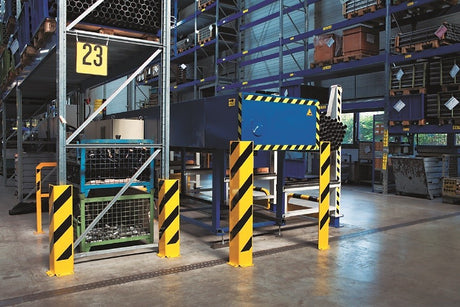
Column guards, end-of-run barriers and marked traffic routes help reduce impact damage and improve site safety. They are especially important in busy warehouses, narrow aisles, loading areas and mixed pedestrian/vehicle environments.
10. Is second-hand pallet racking safe?
Second-hand pallet racking can only be considered safe if its design data, load history, condition, manufacturer details and compliance information are known.
Used racking without traceability can create safety, insurance and compliance problems. Avoid second-hand racking that has rust, impact damage, welded repairs, drilled holes, missing components or no verified safe working load data.
11. What happens if we increase racking height?
Increasing racking height can affect structural loading, forklift requirements, fire safety, sprinkler coverage, insurance and warehouse traffic routes.
Before increasing height, the floor slab, frame capacity, beam levels, clearances, fire strategy and materials handling equipment should be reviewed. Taller racking may require sprinklers, pump systems, water tanks or changes to stock storage arrangements.
12. Can I add extra beam levels or shelving inside pallet racking?
Do not add extra beam levels, shelving or storage inside pallet racking without checking the original design and load data.
Changing beam positions or adding mixed storage can affect frame loading, bay load, clearances and the safe working load notice. A competent racking provider or engineer should review the system before changes are made.
13. Do I need a technical review before changing warehouse layout or stock profile?
Yes. A technical review is recommended before changing racking layout, pallet weights, stock types, forklift routes or warehouse operating patterns.
Changes to the warehouse can affect loading, fire safety, pedestrian segregation, forklift access, insurance and compliance. A review helps confirm whether the current racking remains suitable or needs redesign.
14. Do warehouse racking inspection records matter?
Yes. Inspection records provide evidence that pallet racking has been checked, maintained and managed correctly.
Records should show who inspected the racking, when it was inspected, what damage was found, what action was taken and when repairs were completed. Good records support health and safety compliance, quality assurance and insurance discussions.
15. What should we do if warehouse services and access routes are cluttered?
If water, power, sprinkler access, inspection routes or forklift paths are cluttered, the warehouse layout should be reviewed.
Improvised routes and blocked safety-critical services increase risk. A planned layout review can improve access, segregation, storage efficiency and compliance without requiring a full warehouse strip-out.
16. How do I choose a materials handling supplier?
Use a structured tender process, but make sure one competent person or provider owns the overall outcome.
Forklifts, racking, loading doors, floor conditions, sprinklers and traffic routes must work together. Buying each item separately on price can create compatibility problems. A materials handling review helps ensure the equipment is fit for purpose.
17. Can an existing warehouse be changed from double-deep racking to high-bay racking?
Yes, but only after checking the racking structure, floor slab, sprinklers, forklift access and fire strategy.
Some racking can be rebuilt, extended or reconfigured if the original system is strong enough and traceable. Sprinklers may need realignment, hydraulic testing or redesign for the new layout and storage height.
18. Why do forklift specifications matter when designing racking?
Forklift specifications determine aisle width, lift height, mast clearance, turning radius and pallet handling capability.
A truck that reaches the top beam may still fail if the mast cannot pass through doors or if the aisle is too narrow. Racking and forklift selection should be planned together to avoid costly compatibility issues.
19. What should we do if our warehouse operation has changed over time?
If products, volumes, shifts or routes have changed, the warehouse layout should be reviewed and replanned.
Old layouts often become unsafe or inefficient when operations grow or change. A new storage and traffic plan can improve picking, segregation, forklift movement and safety without replacing everything at once.
20. Is second-hand warehouse equipment worth buying?
Second-hand warehouse equipment can appear cheaper, but it may cost more if it lacks documentation, compatibility or compliance.
Used racking, forklifts and handling equipment should be professionally checked before purchase. The buyer becomes responsible for safe use, inspection, maintenance and compliance. If the equipment cannot be verified, new or fully documented equipment is usually the safer option.